 Download Duncan's illustrated historical e-book 1918 Spanish Flu Pandemic - Compared with Covid-19 - from Smashwords: click here >>
 Download Duncan's latest illustrated historical e-book Norsemen to Vikings - Early Scandinavian History - from Smashwords: click here >>
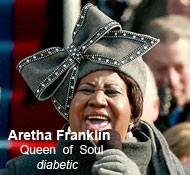
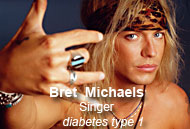
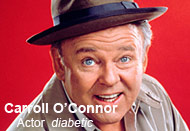
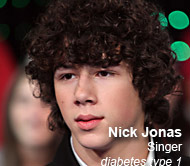
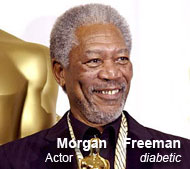
Celebreties with Diabetes



















Diabetes Mellitus Type 1 and Type 2 |
Duncan MacDonald
Jakarta 31 May 2010
What is Diabetes ?
Inability of the body to use glucose for energy due to inadequate amounts of, or loss of sensitivity to, the hormone insulin.The Greeks and Romans knew about diabetes - they tested for this condition by tasting people's urine. The Greeks noticed that when people with sweet urine drank, the fluids came out in the urine almost as fast as they were swallowed, like a 'siphon'. The Greek word for 'siphon' is diabetes. The Romans discovered that the urine of certain people was mellitus, the Latin word for 'sweet'. Thus we have the origins for the modern name for the disease - diabetes mellitus.
Diabetes mellitus is one of the most common
 long-term diseases occurring in the UK, affecting more than 3 in 100 people.
 • Almost 1 in 4 Australians 25 years and older either has diabetes or pre-diabetes.
• WHO estimate there are arround 1.7 million persons in Australia with diabetes, as at 2015.
• This includes all types of diagnosed diabetes (1.2 million known and registered) as well as silent, undiagnosed type 2 diabetes (up to 500,000 estimated)
• More than 100,000 Australians have developed diabetes in the past year.
• 280 Australians develop diabetes every day. That's one person every five minutes.
OBESITY is perhaps the biggest single link to type 2 Diabetes, although not everyone with type 2 is overweight. (Mayo Clinic)
There were 160 million people world-wide with diabetes in 1990. This is expected to climb to 280 million by 2025.
An Egyptian papyrus from 1552 BC noted frequent urination as a symptom of diabetes
Normally insulin is produced by the pancreas and enables the body's cells to absorb the sugar glucose (their energy source) from the blood. In diabetes mellitus, the cells have to use other sources of energy, leading to a build-up of toxic by products in the body. Unused glucose accumulates in the blood and urine, causing symptoms such as excessive passing of urine and thirst.
Among people treated for diabetes mellitus, 10% depend on self-administered injections of insulin for life. The rest require a carefully managed diet and often oral drugs. Complications may eventually develop, including problems with the eyes, kidney, cardiovascular system and nervous system. Diabetes mellitus also weakens the immune system, increasing susceptibility to infections.
Melbourne physcian / biochemist Joseph Bornstein etablished the existance of at least 2 clinical types of diabetes in 1949 - 10 years before the Nobel Prize winning discovery of a more sophisticated technology, which only confirmed Bornstein's results
There are two main types of diabetes mellitus;
Type 1 diabetes
Type 1 occurs when the pancreas produces far too little insulin or produces none at all. The disorder usually develops suddenly in childhood or adolescence. Although dietary measures are important, it must be treated with insulin injections. About 350,000 people in the UK have type 1 diabetes.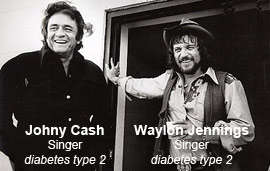
Type 2 diabetes
Type 2 is by far the most the most common form of diabetes affecting about 3 million people in the UK. In this condition the pancreas continues to secrete insulin, but the cells of the body become resistant to its effects.Type 2 diabetes mainly affects people over the age of 40 and more commonly those who are overweight. Initially dietary measures may be sufficient to control the condition, but oral drugs and sometimes insulin injections may become necessary as it progresses.
The effect of diet on diabetes was first noticed during the siege of Paris in the early 1870s
What are the causes ?
Type 1 diabetes is usually caused by an abnormal reaction in which the immune system destroys insulin-secreting cells in the pancreas. The cause of this reaction is unknown, but it may be triggered by a viral infection. In some cases, destructiuon of the insulin-secreting tissue occurs following inflammation of the pancreas.Genetics may also play a role, however most affected children do not have a parent with diabetes.
Type 2 diabetes causes are less well understood, but genetics and obesity are important factors. About 1 in 3 affected people have a relative with the same type of diabetes.
What are the symptoms ?
Although some of the symptoms of both forms of diabetes mellitus are similar, type 1 diabetes tends to develop more quickly and become more severe. The symptoms of type 2 may not be obvious and go unnoticed until a routine medical check-up.The main symptoms of both include;

• Excessive passing of urine
• Thirst and a dry mouth
• Insufficient sleep because of the need to pass urine at night
• Lack of energy
• Blurred vision
Type 1 diabetes may also cause weight loss. Development of type 1 diabetes can lead to severe dehydration and coma if not treated urgently.
Long term complications
People who have diabetes have an increased risk of cardiovascular disorders. Large blood vessels may be damaged by atherosclerosis (accumulation of cholesterol in artery walls), which is a major cause of coronary artery disease and stroke. Diabetes is also associated with hypertension another risk factor in heart disease.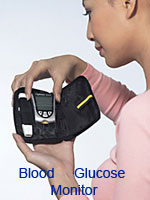
Diabetes can also damage small blood vessels throughout the body e.g. blood vessels in the light sensitive retina at the back of the eye. If untreated it can cause blindness.
If diabetes affects blood vessels that supply nerves it can lead to nerve damage. There may be a gradual loss of sensation, starting in the hands and feet and extending up the limbs. If not treated it can lead to gangrene. Symptoms may also include dizziness on standing and impotence in men.
Diagnosis
Your doctor will ask you to provide a urine sample which will be tested for glucose.What Are Normal Blood Sugar Levels?
A normal sugar level is less than 100 mg/dL after not eating (fasting) for at least 8 hours. And it's less than 140 mg/dL 2 hours after eating.Random check. The doctor tests your blood sugar and if it’s higher than 200, plus you’re peeing more, always thirsty, and you’ve gained or lost a significant amount of weight; he’ll then do a fasting sugar level test or an oral glucose tolerance test to confirm the diagnosis.
Any sugar levels higher than normal are unhealthy. A level that's higher than normal, but not reaching the point of full-blown diabetes, is called prediabetes.
Insulin was discovered at the University of Toronto in 1921
What is the treatment ?
The aim of treatment is to maintain the level of glucose in the blood within the normal range without marked fluctuations. This can achieved with a combination of diet, pills that lower blood glucose levels and insulin injections. Treatment is usually lifelong.Living with diabetes It is important to
 eat a healthy diet, maintain fitness and if necessary lose weight. Following a healthy lifestyle helps to minimise the risk of developing complications over time, including heart disease, circulatory problems and kidney failure.
Alcohol is safe in moderation for most people. Smoking is harmful and can greatly increase risk of heart disease and stroke. If you have diabetes and you smoke - you should stop.
If you have type 2 diabetes there are ways to keep your blood sugar in check.
# Red Wine: In moderation. People with diabetes who drank 5 oz of wine with dinner (while on a Mediterranian diet) had lower cholesterol and some improvement in blood glucose levels, compared with those who drank water, in a recent trial.
# Diabetes rates are 52% lower among older adults who eat a Mediteranean diet(including olive oil, nuts, fruit, vegetables & whole grains).
# After-Meal Walks: Working muscles soak up glucose better than sedentary ones do, so physical exercise~especially after eating~helps regulate blood sugar. Get your daily 30 minutes of movement after meals.
* * * * *
Conclusion
Diabetes mellitus is not a curable disease, but advances in monitoring blood glucose levels, combined with a healthy lifestyle have made it easier to control.Children who develop diabetes quickly learn to manage their disease and can participate in sports and lead full social lives.
OBESITY is the biggest single link to type 2 Diabetes, although not everyone with type 2 is overweight. (Mayo Clinic)
The following may help to prevent the onset of type 2 diabetes:
• Breast feed babies to give them the best start in life
• Lose weight if you need to
• Follow a blood-sugar stabilising diet
• Take regular exercise
• Do relaxation and guided imagery exercises to reduce stress levels

This Digest article can be downloaded as a FREE e-book on Smashwords.
Available on iPad / iBooks, Kindle, Nook, Sony, & most e-reading apps including Stanza & Aldiko.
Just click the following link >> download free e-book Diabetes Mellitus Type 1 & 2
 Dengue Fever
Coronary Heart Disease
Dengue Fever
Coronary Heart Disease
Contents
Reference
1.The British Medical Association Complete Family Health Guide, Dr Tony Smith, Dorling Kindersley, London 2000
Celebrities with Diabetes