Articles

 Download Duncan's illustrated historical e-book 1918 Spanish Flu Pandemic - Compared with Covid-19 - from Smashwords: click here >>
 Download Duncan's illustrated historical e-book Norsemen to Vikings - Early Scandinavian History - from Smashwords: click here >>
dMAC Free Bonus

dMAC Digest-History:
ANZAC & Lone Pine Revisited 1975 >>Download this free e-book
Illustrated Historical Novel:
Culann ~ Celtic Warrior Monk >>Download this free e-book
 Illustrated Historical Novel:
Roman Britain in the 1st century CE
Illustrated Historical Novel:
Roman Britain in the 1st century CE
Roman Britannia Bulletin #1 >>Download this free e-book
Download Duncan's illustrated historical e-book 1918 Spanish Flu Pandemic - Compared with Covid-19 - from Smashwords: click here >> Download Duncan's illustrated historical e-book Norsemen to Vikings - Early Scandinavian History - from Smashwords: click here >>dMAC Free Bonus
dMAC Digest-History:
ANZAC & Lone Pine Revisited 1975 >>Download this free e-book
Illustrated Historical Novel:
Culann ~ Celtic Warrior Monk >>Download this free e-book
Illustrated Historical Novel:
Roman Britain in the 1st century CE
Roman Britannia Bulletin #1 >>Download this free e-book
Duncan MacDonald
Jakarta 10 July 2010
Cancer in Australia
• Cancer is the leading cause of death in Australia - 47,652 people died from cancer in 2020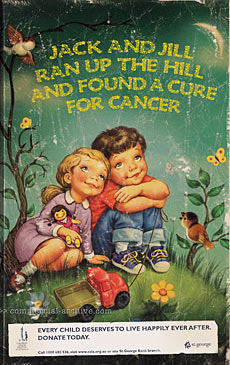
• An estimated 145,000 new cases of cancer will be diagnosed in Australia in 2019
• The number of new cases of cancer diagnosed increased from 47,445 in 1982 to 122,093 in 2012.
• The number of deaths from cancer increased from 17,032 in 1968 to 44,108 in 2013.
• 1 in 2 men and 1 in 3 woman will be diagnosed with cancer before age 85
• Most common cancers in Australia are prostate, bowel, breast, melanoma and lung cancer
• More than 60% of cancer patients will survive more than five years after diagnosis
• Survival rate for many common cancers has increased more than 30% in the past two decades
What is Cancer?
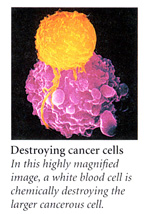
Cancer is a disease of the body's cells. Each type of cell has a unique function: nerve cells carry crucial messages to and from the brain; blood cells carry oxygen and food to every body part and help fight infections; muscle cells contract and enable the body to move. For the most part each cell grows in a particular place and at a particular rate
For various reasons – we don't know all the answers – certain cells suddenly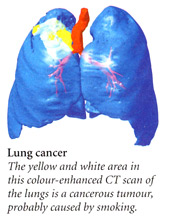 abandon their normal growth pattern and begin to reproduce uncontrollably – they become cancerous. As these cells multiply, they form a lump, or primary tumour. From this tumour, cancer cells often travel through the lymphatic system or the bloodstream to other parts of the body, and form tumour there as well. This spreading and clumping of cancerous cells is known as metastasis.[2]
In time the cancerous cells crowd out and replace the normal cells. The severity of the disease depends on the extent to which malignant cells spread and erode normal body functions.
For various reasons – we don't know all the answers – certain cells suddenly
abandon their normal growth pattern and begin to reproduce uncontrollably – they become cancerous. As these cells multiply, they form a lump, or primary tumour. From this tumour, cancer cells often travel through the lymphatic system or the bloodstream to other parts of the body, and form tumour there as well. This spreading and clumping of cancerous cells is known as metastasis.[2] In time the cancerous cells crowd out and replace the normal cells. The severity of the disease depends on the extent to which malignant cells spread and erode normal body functions.
Where did the name come from ?
The term "cancer" comes from the Greek word for crab. The ancient Greek physician Hippocrates likened a spreading cancerous tumour to the shape of a crab's claw. Although our understanding of the disease has advanced dramatically since then, the description is still apt.[3]Is there anything I can do to avoid getting cancer ?
Yes there certainly is. There are some types of cancer that can be avoided by taking protective measures. Medical evidence indicates that certain environmental factors or agents do increase the risk that you will develop cancer. By avoiding such agents, which are labelled carcinogenic, or cancer-causing, you can reduce your chances of getting cancer. They include;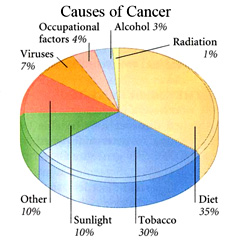
• Tobacco
• Vinyl chloride
• Asbestos
• Benzine
• X-rays
• Ultraviolet radiation from the sun
• Diet
Most doctors agree that it's a good idea to familiarise yourself with these substances that are known carcinogens – and to avoid them to the best of your ability.
Aging and Cancer
Cancer is most common among older people, largely because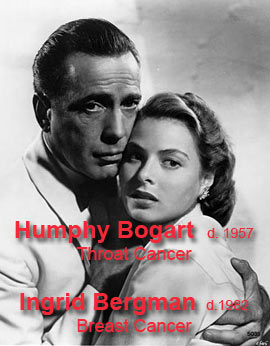 their cells have had more time to accumulate genetic damage. Also the body's defences against cancer, particularly the cells and proteins of the immune system, gradually become less efficient with age.
Since life expectancy increased significantly in the second half of the 20th century, cancer has now become one of the most common causes of death, second only in the UK to coronary artery disease.
their cells have had more time to accumulate genetic damage. Also the body's defences against cancer, particularly the cells and proteins of the immune system, gradually become less efficient with age.
Since life expectancy increased significantly in the second half of the 20th century, cancer has now become one of the most common causes of death, second only in the UK to coronary artery disease.The lifetime risk of women developing cancer is one in nine.
Breast cancer is second to lung cancer as the leading cause of cancer-related deaths among British Women.[4] Eighty percent of breast cancers occur in post-menopausal women.
The average age of women diagnosed with breast cancer is 64 years.
However one third of women diagnosed with breast cancer are younger than 50 years. [5]
Warning over Non-Lump Breast Cancer
Researchers from University College London warn: Around one in six cases of breast cancer begins with symptoms other than a suspect lump.The researchers examined the symptoms of 2,300 women who had recently diagnosed with breast cancer.
They found that women with non-lump symptoms were more likely put off visiting their doctor.
Breast Cancer symptoms and signs
See your GP if you notice:
• A new lump or areas of thickened tissue in either breast that was not there before
• A change in the size or shape of one or both breasts
• Bloodstained discharge from either of your nipples
• A lump or swelling in either of your armpits
• Dimpling on the skin of your breasts
• A rash on or around your nipple
• A change in the appearancer of your nipple, such as becomming sunken into your breast
In England and Wales, about nine in every 10 women diagnosed with breast cancer will survive for at least five more years.
About six out of every 10 can expect to survise for more than 20 years.
The more time that passes since diagnosis, the lress likely it is that cancer will come back.
Women in the UK ages between 50 and 70 are invited for breast screening every three years.[6]
National Cancer Reasearch Institute conference in Liverpool 8-Nov-2016
Cancer Treatment
The three basic types of cancer treatment are surgery, radiotherapy and chemotherapy, or treatment with anti-cancer drugs. Two or more of these approaches may be used in combination to help a cancer patient. In addition there are new types of treatment still in the experimental stage. They include various ways of stimulating a person's immune system to detect and destroy cancer sells.
see dMAC Health Digest An Orange A Day Keeps Cancer at Bay click here>>Surgical treatment is the oldest and still the primary form of cancer treatment. Given the right conditions, it may be possible to remove completely a cancerous growth. Not all cancers can be attacked surgically e.g. cancers of the blood. Certain cancers that have spread throughout the system cannot be cut.
Various types of surgery can be used. Most are removed with a knife or scalpel but other forms of tissue removal are used. These include cryosurgery (freezing of cancerous tissue); diathermy or electro surgery (electric current is used to destroy tissue); chemosurgery which involves the application of tissue-destroying chemicals directly to a tumour; and laser beams to kill cancer cells. The first
 three types tend to be used on cancers of the skin, mouth and rectum. Laser surgery is often used to treat eye, brain and gynaecological cancers.
Radiotherapy is a form of energy that can damage any kind of living cell. If the radiation is aimed properly and is the right strength it can destroy cancer cells without seriously injuring or permanently damaging nearby normal cells. Radiation can be can often be controlled so that it will pass through healthy tissue and attack cancer cells that may be difficult or impossible to reach with surgery.
Types of radiation include the familiar X-rays, produced by an electrically powered machine; radioactive elements such as cobalt, iodine and radium.
Cobalt is used in a special machine that beams radiation into the body from the outside.
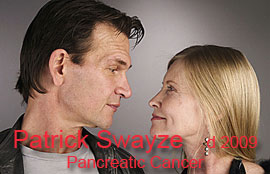
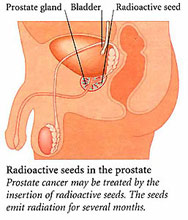
Radioactive iodine can be implanted in the form of wires or pellets to bombard cancer cells 24 hours a day. Radioactive iodine can also be injected directly into the blood. The iodine travels through the body but is concentrated in cells that have a special need for iodine, such as the thyroid gland. Thus radioactive iodine is an effective way to treat cancers of the thyroid.
Radium or more usually these days, radioactive calcium is often used in gynaelogical cancers.
Radiation itself can actually cause cancer. To minimise this danger a radiotherapist uses the least amount of radiation required to attack a tumour.
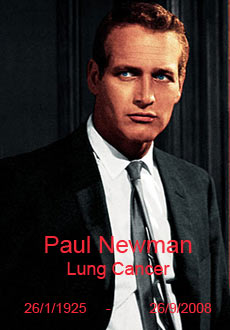
Using modern equipment such as the linear accelerator and taking special care to focus the radiation on cancerous tissue, should limit its impact on normal cells. Some doctors avoid using radiotherapy to treat cancers involving organs especially sensitive to radiation, such as kidneys, lungs and liver. Other organs that must be protected from radiation are a woman's ovaries and a man's testes.
Chemotherapy is the use of powerful drugs to kill cancer cells at the microscopic level. Anticancer drugs may be given as primary therapy e.g. treatment of certain lymphomas (cancer of the lymph nodes – a small mass of tissue that cleans the colourless fluid containing white blood cells) and leukaemia's (the white corpuscles multiply uncontrollably in the body tissue, usually the blood).
They may also be administered after surgery or radiotherapy in order to kill any remaining cancer cells. In all cases the goal is the same: to kill as many cancer cells as possible, even if the cells have not formed tumours. Anticancer drugs are given by mouth or injection so that they pass through tissues all over the body and kill cancer cells wherever they are found. One exception to this is the brain; it has a protective barrier that few drugs can penetrate.
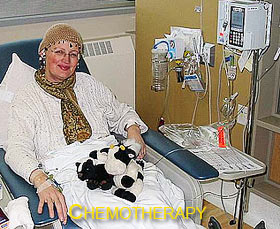
Chemotherapy side effects are very broad. They include:
• Nausea
• Vomiting
• Skin rash
• Hair loss
• Mouth ulcers
• Low blood counts
• Diarrhoea
• Fluid retention
• High blood pressure
• Loss of sex drive
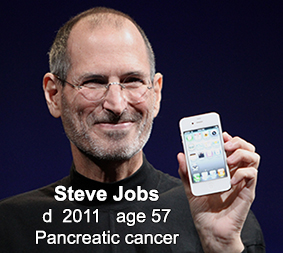
• Hot flushes
• Numbness in limbs
A more serious side effect of certain anti-cancer drugs is the suppression of the patient's immune system. This occurs when the drug kills not only cancer cells, but also normal cells of the bone marrow where many of the white blood cells that fight infection are made. If damage is great the patient may not be able to resist the attacks of bacteria, viruses or fungi – and such infections can kill.
In many cases patients have to put up with the discomforts and risks of chemotherapy in the expectation that the treatment will slow down, stop or reverse the growth of cancer.
Can we expect a Cancer cure in the near future ?
Because cancer is many diseases with some common traits, many scientists believe that no single treatment will ever be found to cure all cancers.
For many reasons – most of which are not well defined - our immune system seems not to recognise cancer as an invader, and so does not attack or attacks weakly and ineffectively. Some scientists believe that many cancers might be destroyed by boosting or somehow harnessing the immune system – our body's own special defence system against disease.
Nanoshells – precision-guided tumour killers. - Experiments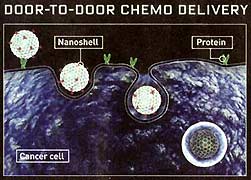 being carried out at Massachusetts Institute of Technology and Harvard University are infusing hollow spheres of carbon polymer (nanoshells), each 1,000 times as small as a pinpoint, with miniscule doses of chemotherapy drugs. To ensure the nanoshells strike only the cancer cells, researchers stud them with a string of molecules called aptamers, that bind exclusively to proteins that sprout from cancerous tissue. Once the nanoshells arrive at their pre-ordained location, they deposit their anti-cancer cargo inside the cancer cells, killing them off – without harming the healthy cells.
When will nanoshells be available? – Possibly not before 2014 – three more years of animal testing, plus five years testing on humans [6]
Recently researches have found ways to help the body's immune system to recognise and attack cancer cells. Research is at an early stage but tests are encouraging. One series of experiments focuses on the use of interferon , a natural virus fighting substance, which is produced by cells under attack. Interferon reduces the rate at which cells grow and multiply. Since cancer cells grow and multiply rapidly, any chemical that slows them down, helps ward off cancer.
The therapy is quite new and uses special gene splicing DNA technology for cloning such substances and making them widely available.
Another class of immunomodulators, as they are called, with cancer-fighting abilities are the hormone-like proteins known as interleukins. Scientist have found that one of these substances, interleukin-2 or IL-2, seems to improve the disease-fighting abilities of white blood cells called lymphocytes, and thus make the immune system more effective in recognising and attacking cancer cells.
For many reasons – most of which are not well defined - our immune system seems not to recognise cancer as an invader, and so does not attack or attacks weakly and ineffectively. Some scientists believe that many cancers might be destroyed by boosting or somehow harnessing the immune system – our body's own special defence system against disease.
Nanoshells – precision-guided tumour killers. - Experiments
being carried out at Massachusetts Institute of Technology and Harvard University are infusing hollow spheres of carbon polymer (nanoshells), each 1,000 times as small as a pinpoint, with miniscule doses of chemotherapy drugs. To ensure the nanoshells strike only the cancer cells, researchers stud them with a string of molecules called aptamers, that bind exclusively to proteins that sprout from cancerous tissue. Once the nanoshells arrive at their pre-ordained location, they deposit their anti-cancer cargo inside the cancer cells, killing them off – without harming the healthy cells. When will nanoshells be available? – Possibly not before 2014 – three more years of animal testing, plus five years testing on humans [6]
Recently researches have found ways to help the body's immune system to recognise and attack cancer cells. Research is at an early stage but tests are encouraging. One series of experiments focuses on the use of interferon , a natural virus fighting substance, which is produced by cells under attack. Interferon reduces the rate at which cells grow and multiply. Since cancer cells grow and multiply rapidly, any chemical that slows them down, helps ward off cancer.
The therapy is quite new and uses special gene splicing DNA technology for cloning such substances and making them widely available.
Another class of immunomodulators, as they are called, with cancer-fighting abilities are the hormone-like proteins known as interleukins. Scientist have found that one of these substances, interleukin-2 or IL-2, seems to improve the disease-fighting abilities of white blood cells called lymphocytes, and thus make the immune system more effective in recognising and attacking cancer cells.
Tale of Two Entertainers
Latin singer Soraya dies of cancer at 37
MIAMI - Columbian born singer, songwriter Soraya, died after a battle with breast cancer. She was 37.
Soraya, a Latin Grammy winner, was one of the first artists to record in both English and Spanish. Soraya won the first ever Latin Grammy for best singer/songwriter album with her self-titled release in 2003.
Raised in the USA, she launched her career in the late 1990's by mixing Spanish and English. A charismatic performer, she was able to open concerts for the likes of Sting even as her songs topped the Billboard Latin Pop charts. Soraya went on to become one of the most acclaimed female voices in Latin pop and rock.
Soraya, whose mother, aunt and grandmother died of breast cancer, was diagnosed with stage three of the disease in June 2000. She successfully underwent treatment, but sources say she relapsed in early 2006.
This week she posted a goodbye letter to her fans on her web site. "I know there are many questions without answers, and that hope doesn't leave me, and above all, that my mission does not end with my physical story" she wrote.
12-May-2006 / Billboard
Australian singer Kylie Minogue returns after battle with breast cancer
MELBOURNE - Kylie Minogue, 38 year old singer who was diagnosed
 with breast cancer in May 2005, but resumed her postponed world tour in November.
 She underwent surgery to remove a lump from her breast and is reportedly still under-going cancer treatment.
Minogue had completed dates on her "The Showgirl Tour" in Europe and was heading to Australia when she was diagnosed with cancer.
Her tour manager said the 11 Nov–17 December concert series in Australia would be renamed the "Showgirl Homecoming" tour and that Kylie's work commitments would be lighter because of her illness.
Minogue is known for hits such as "The Loco-motion". She won a Grammy Award in 2004 for dance recording for "Come Into My World".
22-June-2006 / AP
Footnote: Kyle's cancer is now in remission. In 2009, she embarked upon her For You, for Me Tour, her first concert tour of the US and Canada.
In March 2014 Kyle released her 12th studio album 'Kiss Me Once'. Kyle began work on her 14th studio album 'Golden' which is due to be released in April 2018.
Cholesterol
 Breast Cancer Awareness